Before you order
Do You Need an Astrology Reading?
What people have asked the stars, from the births of kings to now
Nobody needs a reading the way they need bread. But for more than two thousand years, people standing at the edge of a change have gone to someone who reads the sky with the same two questions: why am I like this, and what is this time of my life for? If those are your questions now, a reading helps. If they aren't, wait.
 Roman Oleksandr
Hellenistic astrologer · 18 min read
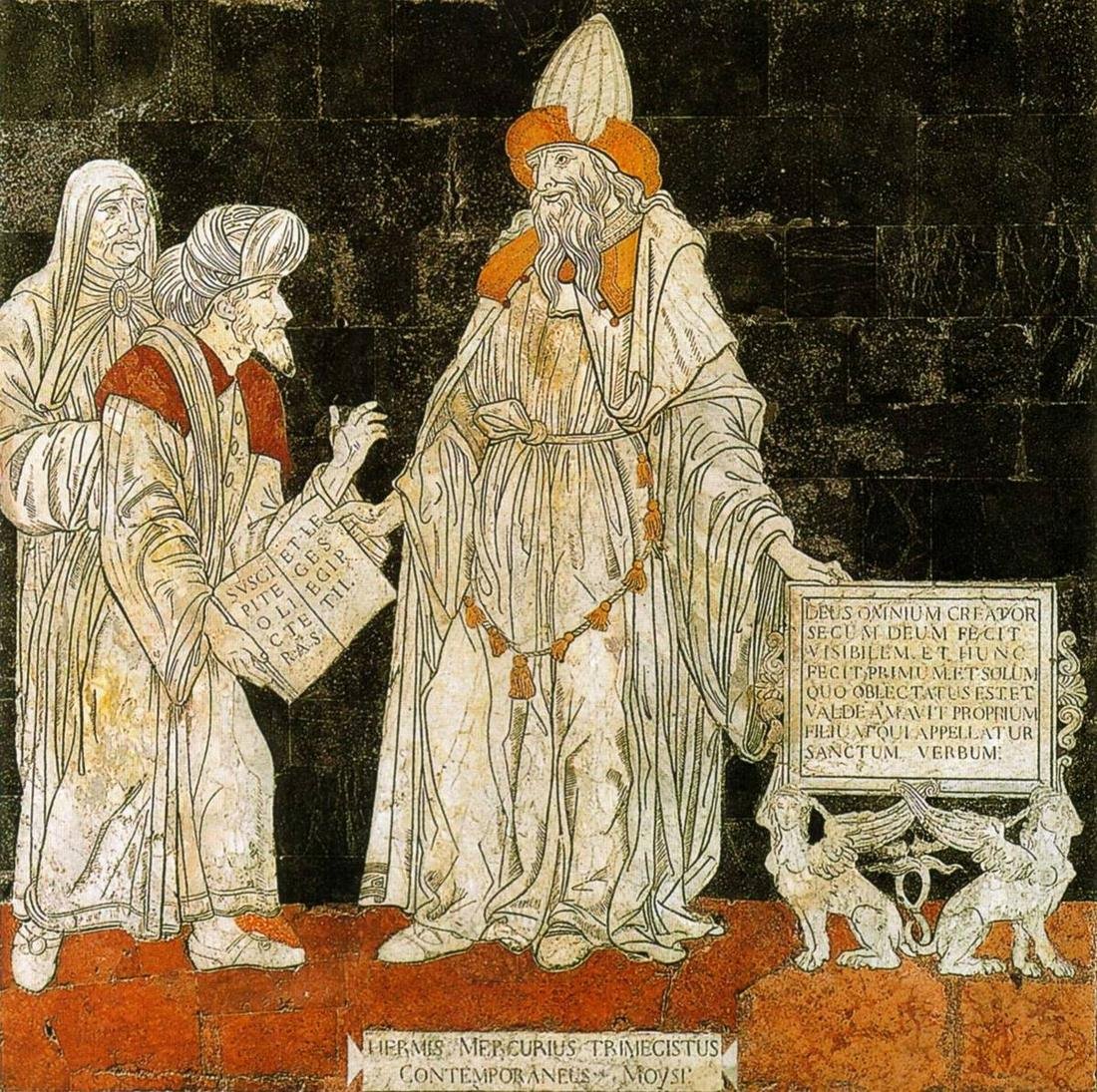
That which is below is like that which is above & that which is above is like that which is below…The Emerald Tablet of Hermestranslated by Isaac Newton, late 1680s or early 1690s
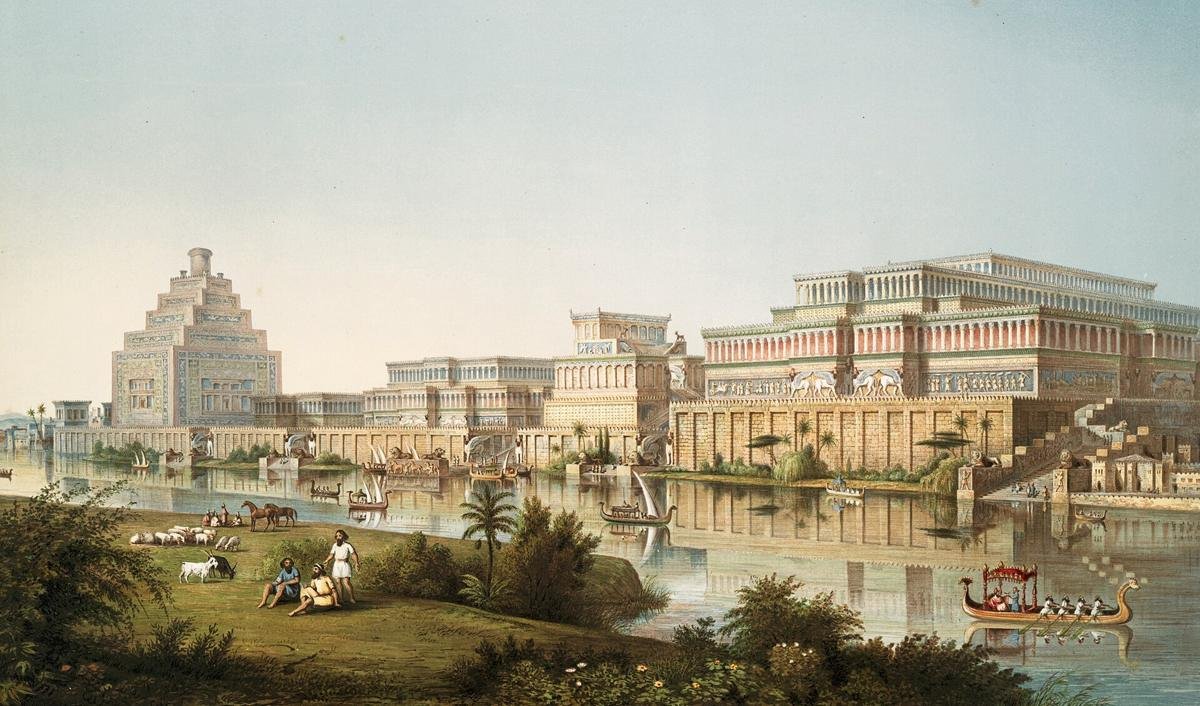
In the seventh century BCE, an eclipse could put a king's life in danger. When the scholars of Assyria saw one coming, they warned the king that the darkened sky was speaking about him. Usually a man of no importance was dressed in the royal robes and seated on the throne, while the real king stepped aside and waited for the danger to pass. Records from the reigns of Esarhaddon and Ashurbanipal mention at least ten of these substitute kings. When the omen had run its course, the substitute was put to death in the king's place, and the king returned.
That is where my profession begins. Not with a sun sign column, but with a frightened king, a sky full of messages, and a handful of men who had spent their lives learning to read them. The questions have changed less than you would think. Who gets to ask them has changed completely.
Why were the stars read for kings first?
Because the first astrology did not read people. It read the state, and the state was the king. In Mesopotamia, scholars watched eclipses, planets and weather as messages about the ruler, his army, the harvest and the land. For well over a thousand years, nobody else's life was written in the sky, and nobody else could have paid for the reading.
The great Mesopotamian collection of sky omens is called Enūma Anu Enlil, after its opening words. An early form of it was in use in the Old Babylonian period (1950 to 1595 BCE); its standard form was probably put together around 1595 to 1157 BCE, and scribes were still copying it in 194 BCE. More than 500 reports, and hundreds of letters, from scholars to the kings of Assyria survive. Night after night they list the signs that applied and explain them for the king.
The sky, in this world, was a kind of writing left by the gods. That idea still matters for anyone thinking about a reading today, because an omen was a warning, not a sentence. If the gods had written it, it could be answered: with a ritual, with a substitute king, with a change of plans. Astrology began as a way to prepare.
It was also expensive in the most literal sense. Reading the sky took scholars trained from boyhood, observations kept over generations, and a palace to feed them all.
When did a birth start to be read in the sky?
In 410 BCE, in Babylon. That is the date of the oldest birth chart we have: the sky at the moment a child was born, pressed into clay. It was not cast for a king. None of the twenty-eight Babylonian birth charts that survive has been identified as royal. The kings had the sky read for their reign; the birth charts went to private people.
These tablets list where the Moon, the Sun and the planets stood when the child was born, with the eclipses and other signs near the date. Most do not even name the child. They simply say "the child is born". The one person who can be identified is a scribe of Uruk, which suggests the scholars cast charts for themselves and for each other. A few add a short judgement. One, cast at Uruk in 235 BCE for a man named Aristocrates, says of Jupiter's position: "prosperous, at peace; his wealth will be long-lasting, long days" (in Francesca Rochberg's translation).
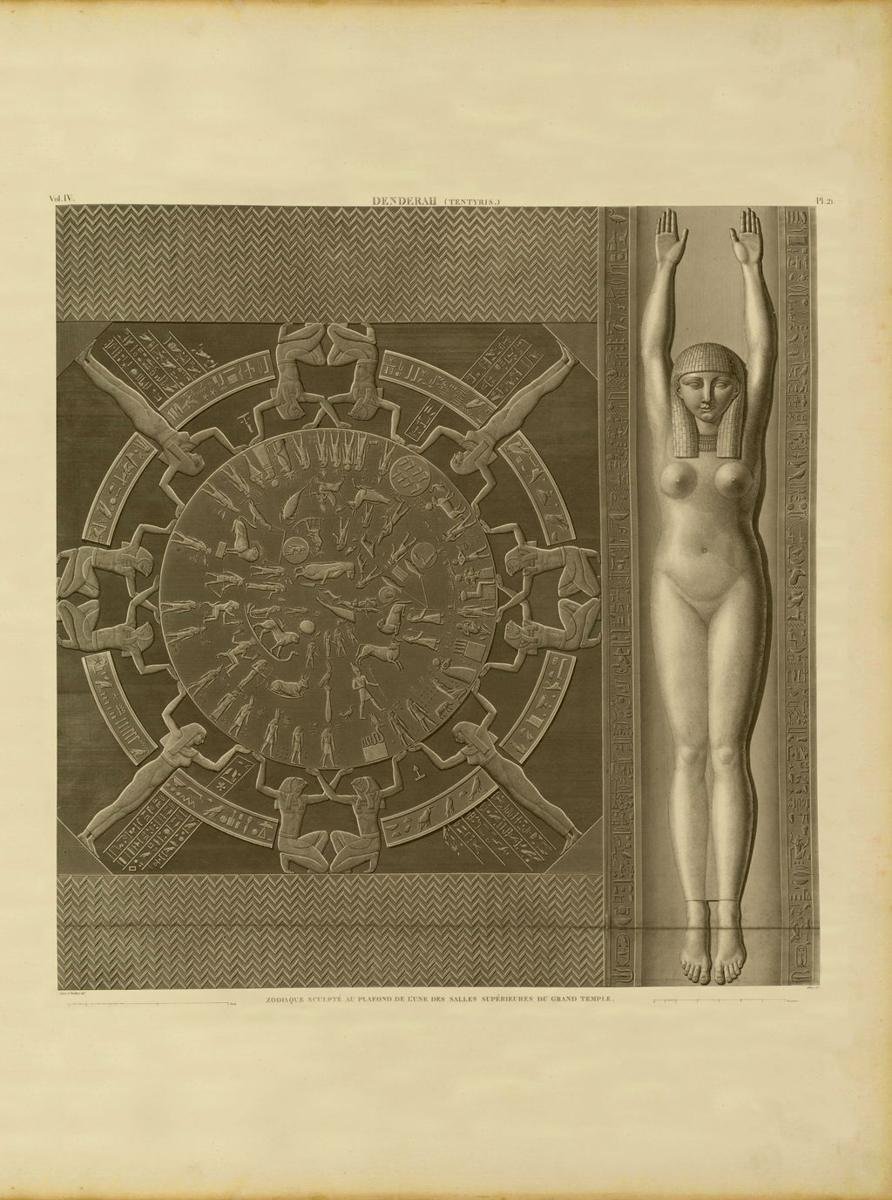
The birth chart as I read it, with its twelve places, its Lots and its timing techniques, took shape later, in Egypt under Greek rule. There the Babylonian sky, the Egyptian division of the night into star groups called decans, and Greek geometry and philosophy came together. The earliest Greek horoscopes, written on papyrus and on broken pottery, date from around the turn of the era (the oldest are for people born at the end of the first century BCE), and the method probably took shape a century or so before that.
And with the Greeks, the kings came back. Antiochus I, king of Commagene, carved a lion into his mountaintop sanctuary at Nemrud Dağ, with the crescent Moon on its chest beside Regulus, the royal star the Greeks called the little king, and three planets above its back: the sky of a day that mattered to his reign (scholars still argue whether it was 62 or 109 BCE). In Rome, a birth chart became a matter of state. As a young man, the future emperor Augustus climbed with his friend Agrippa to the studio of the astrologer Theogenes. Agrippa went first and was promised an almost unbelievable career. Augustus, afraid his own chart would look smaller, refused for a long time to give his birth time. When he finally did, Theogenes threw himself at his feet.
From that time on Augustus had such faith in his destiny, that he made his horoscope public and issued a silver coin stamped with the sign of the constellation Capricornus, under which he was born.SuetoniusLife of Augustus 94, translated by J. C. Rolfe
Augustus was born in September, so Capricorn was not his Sun sign; historians still argue whether it was his Moon or the sign of his conception. His successor Tiberius kept the astrologer Thrasyllus among his closest friends, after testing him on a cliff above the sea, according to Tacitus. And the longest birth chart that survives from the whole ancient world belongs to the emperor Hadrian, born on 24 January 76 CE. It was worked out by the astrologer Antigonus of Nicaea and copied, three centuries later, by Hephaistion of Thebes.
What did a birth chart cost?
No ancient price list survives. The nearest figure comes from the satirist Lucian, around 160 CE: a self-made prophet charged a drachma and two obols for each question. By Lucian's own count, a hired labourer earned four obols a day. So one answer to one question cost two days' wages, roughly €100 to €120 in today's money.
That was a single answer. A full chart was something else. The most elaborate charts on papyrus give every planet to the degree and the minute, with far more calculation behind them, and historians assume, reasonably, that they went to people who could pay well; no receipt survives to prove it. A note from an Egyptian temple tells an astrologer how to take his fee, apparently in instalments, before the work and after it. In a Roman novel, a Chaldaean astrologer pockets a hundred denarii for choosing a good day to travel, more than three months' wages, over €5,000 today. It is satire, but satire only works when readers recognise the price.
At the top, the art was paid like a profession. In 126 BCE the great temple of Babylon agreed to pay two brothers two minas of silver a year between them, about a kilogram, to keep watching the sky and writing its tables, as their father had done. And it was expensive to learn. Valens, the author I quote most, travelled to Egypt for his training.
We paid them money because of our enthusiasm for the work, but we did not come upon the truth.Vettius ValensAnthology IV.11, on the "avaricious teachers" of Egypt, translated by Mark Riley
He kept going. Many years later he wrote what the search had given him.
Therefore having traversed the sea and having crossed many lands, I have surveyed many climes and nations, have been plunged in long toil and trouble, finally to be thought worthy by God of attaining secure foreknowledge and a safe harbor.Vettius ValensAnthology IX.1, translated by Mark Riley
What did ordinary people ask in Rome?
The same things my clients ask. In the early second century CE the Roman poet Juvenal mocked the rich women who kept a private astrologer and the poorer ones who asked for answers at the Circus. A poor woman, he wrote, would ask "whether she shall throw over the tavern-keeper and marry the old-clothes-man." Love, money, a move, a better life.
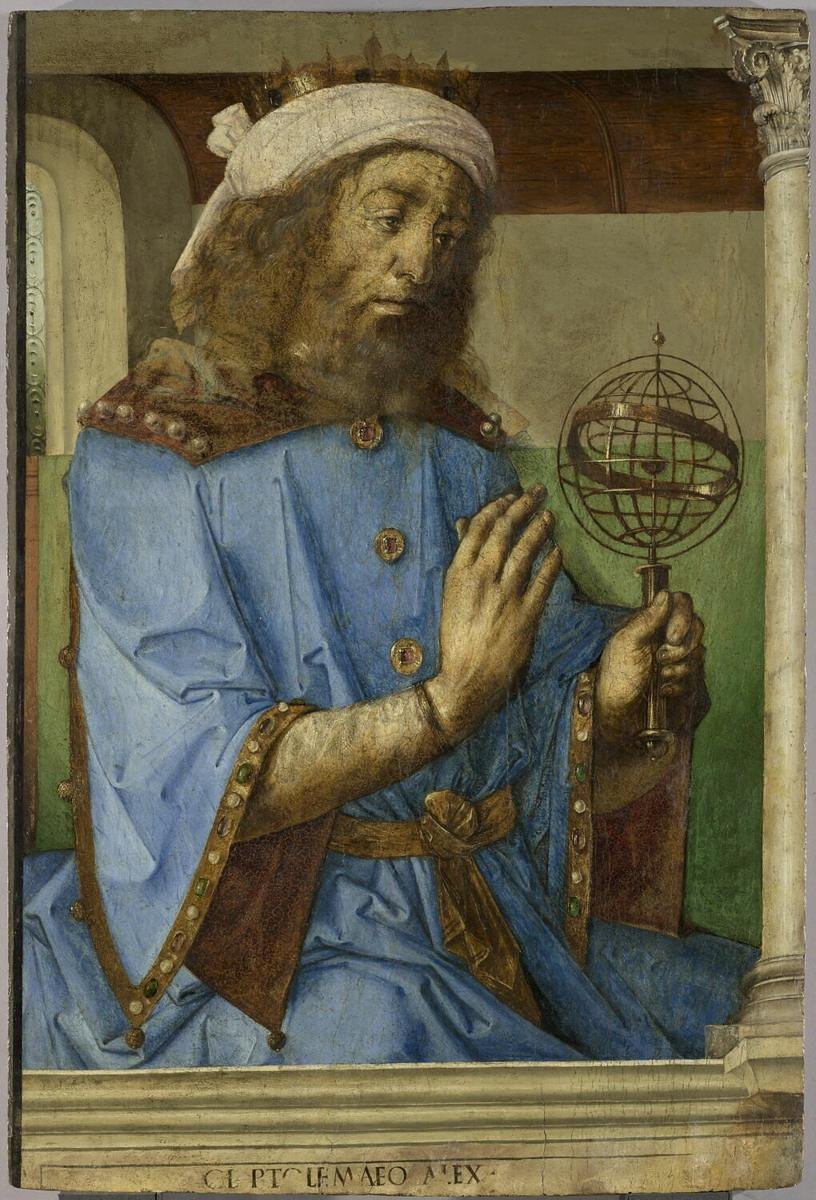
The books I work from were written in that world, by working astrologers for real clients. Dorotheus of Sidon wrote his poem on astrology in the first century CE, and Vettius Valens his Anthology in the second. They wrote about marriages, inheritances, journeys, careers and the years when a life turns. Claudius Ptolemy, the astronomer of Alexandria, wrote the Tetrabiblos, the most influential astrology book ever written.
How has the explanation of astrology changed?
The data has barely changed in more than two thousand years: the day, the hour and the place of a birth. What people believed that data meant has changed with every age. Babylon read the gods' writing, the Greeks a living cosmos, the Middle Ages stars that incline but do not compel, the twentieth century the psyche. Today I would call it the code under the picture.
Babylon: the gods' writing. An eclipse was a message to the king, and a warning could be answered.
Greece and Rome: one living cosmos. Every part of the world was thought to be in sympathy with every other. Ptolemy compared the planets' effect to the Moon's, which, he wrote, makes "the seas turn their own tides with her rising and setting." He also admitted, honestly, that prediction is "not entirely infallible." A century later, the philosopher Plotinus argued that the stars cause far less than the astrologers claimed. Above all, he said, they signify. "We may think of the stars as letters perpetually being inscribed on the heavens," he wrote.
All teems with symbol; the wise man is the man who in any one thing can read another.PlotinusEnneads II.3.7, translated by Stephen MacKenna
The Middle Ages: incline, not compel. Christian and Muslim astrologers kept the stars and saved free will. The maxim that summed it up was "the stars incline, they do not compel."
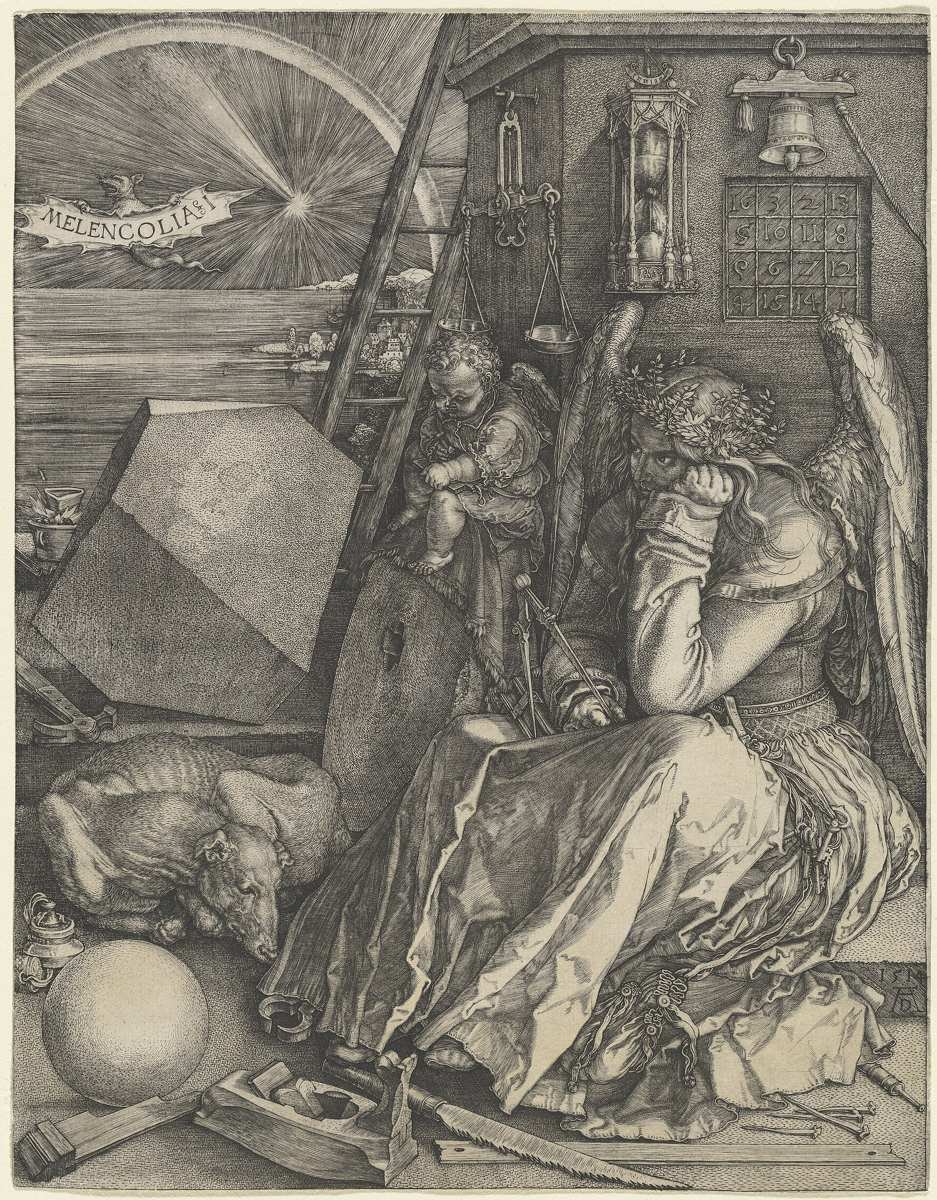
The Renaissance: the return of Hermes. In 1463, at Cosimo de' Medici's request, the Florentine scholar Marsilio Ficino put aside his translation of Plato to translate the Corpus Hermeticum, the books attributed to Hermes Trismegistus, the legendary Egyptian sage the old astrologers named as a founder of their art. In 1489 he published Three Books on Life, a guide to living in tune with the planets through music, colours and the hours of the day. Albrecht Dürer's Melencolia I comes from the same world of ideas. A century later Johannes Kepler, the astronomer who found the laws of planetary motion and still cast charts, wrote a book in 1610 begging the learned not to throw out the baby with the bathwater.
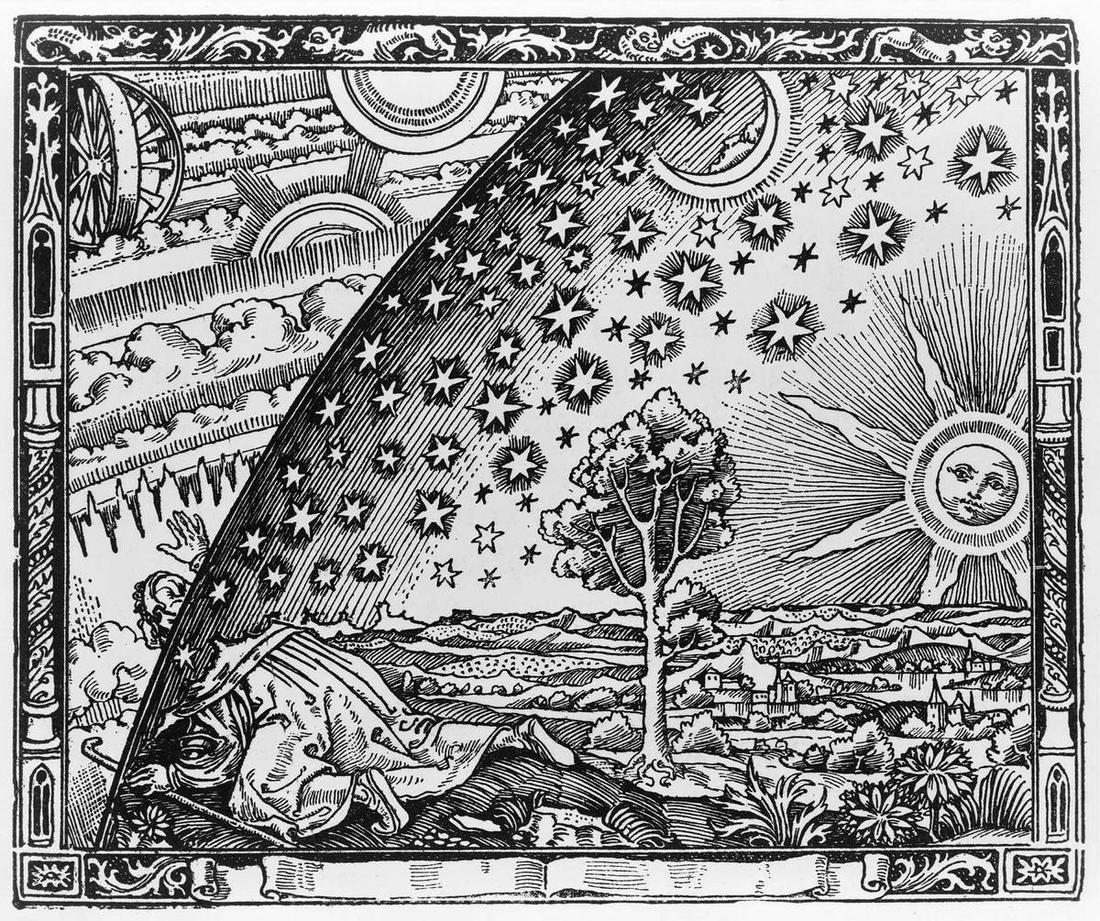
The Enlightenment: out of the universities. Astronomy and astrology parted ways. Astrology lost its place in the universities and survived in almanacs and private practice.
The twentieth century: the psyche. Carl Jung read the planets as old names for forces in the human mind, and the match between a chart and a life as synchronicity. More on this below.
Today: the code under the picture. Think of the moment in The Matrix when Neo stops seeing walls and faces and sees the green code they are made of. Almost every photograph on your phone carries something like it: metadata, a hidden layer of numbers saying when and where the picture was made. You never see it, and it is always there. A birth has its metadata too. The moment and the place, and with them the whole sky as it stood, down to the phase of the Moon and the planet that ruled the day. A chart is that hidden layer brought to the surface. The Babylonians called it the writing of the gods, Plotinus called the stars letters, and we would call it code. The idea underneath has not moved: the visible world has a script beneath it, and the script can be read.
What do people actually bring to an astrologer today?
Mostly one question: what am I here for? I went through the notes my clients wrote in their order forms. About three in four ask about purpose or direction. More than half ask about work and money. A third ask about a turning point, the year ahead, where to live, or who they really are.
Here is how they put it, in their own words, shared without names and lightly trimmed:
- "I know I'm on the precipice of something, I just don't know what."
- "I've always felt like I'm late, late in life. And that there's something I need to do, to learn or understand, that I just can't grasp."
- "I keep coming back to what feels like a crossroad. Which way to go, I ask myself, and end up taking steps up and down each road only to return to the same place."
- "I intuitively know that the career path I'm on is one that I chose out of fear versus passion."
- "Where am I supposed to be living to lead a purposeful life?"
- "I've been asking myself who I really am. Am I the person I am at the moment, or am I playing a role?"
- "Making sense of this feeling that's followed me for decades: what am I doing here?"
- "I'm lost in the woods."
- "I would like the why and the when."
None of these people asked for a horoscope. They asked for a map of their own life, and for the moment they are standing in on it. The old astrologers would have recognised every line. Valens wrote that people are not all given the same things.
It is necessary to gain foreknowledge in accordance with Nature, because the same things are not given to and do not suit everyone.Vettius ValensAnthology V.6, translated by Mark Riley
Where I start. Every one of these questions begins in the same place: the Profound Birth Chart Reading. It reads the whole chart and its timing together, because "who am I" and "why now" are one question asked twice. Purpose, work, love, the place you live and the years ahead are all in it. If, once you have read it, purpose is the one thread you want to follow to the end, the Life Purpose reading goes deeper into that alone. But I would always start with the whole picture.
What happens inside you when you read your chart?
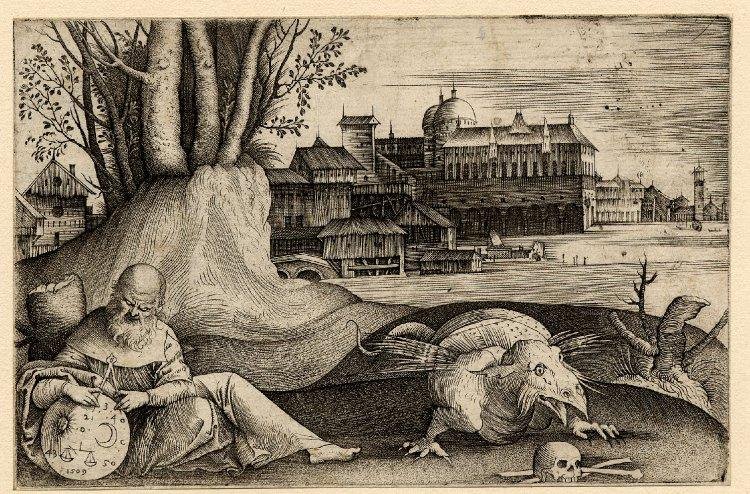
A chart gives your experience a language. Things you have felt for years get names, an order and a date: this is the pattern, this is when it began, this is the chapter you are in now. Jung described this from the inside, and his account is still the most serious one we have.
Jung is the most misquoted authority in astrology, so it is worth being exact. He took astrology seriously for some fifty years, from 1911 to his death in 1961. "In cases of difficult psychological diagnosis I usually get a horoscope," he wrote to the Indian astrologer B. V. Raman in 1947. He also rejected the idea that the stars cause anything. He described astrology in two ways and never fully joined them: as projection, the psychology of the ancient world read off the sky, and as synchronicity, a meaningful coincidence between a chart and a life with no cause running between them. You will see two famous "Jung on astrology" quotes all over the internet. One comes from a private letter written at the very start of his studies; the other cannot be traced to any printed source. I don't use either. Here is one he did write.
The psychological rule says that when an inner situation is not made conscious, it happens outside, as fate.Carl Gustav JungAion (1951), §126, translated by R. F. C. Hull
This, to me, is the point of a reading. What you do not see in yourself, you meet in the world, again and again, as if it were bad luck. Seen, it becomes something you can work with.
Jung's heirs carried the idea further. In the 1970s astrologers working from his psychology turned Saturn, the great malefic of the old books, into the teacher: the planet that shows where a life is asked to grow up, most loudly at the Saturn return. In the 1990s a Jungian psychologist revived the oldest version of the idea, that every life carries an image of what it is meant to become, the way an acorn carries the oak. The Greeks had a word for that companion: the daimon. Plato tells it as a myth, in which every soul, before birth, chooses the life it will live.
Your genius will not be allotted to you, but you will choose your genius.PlatoRepublic X, the Myth of Er, translated by Benjamin Jowett
Jowett translates daimon as "genius". The Hellenistic astrologers gave it two places in the chart: the Lot of Daimon, which Valens called "Intelligence" and used for the mind, the inner life and the actions a person takes, and the eleventh place, which they called the Good Daimon. When people tell me they want to know what they are here for, this is the oldest name for what they are asking about.
One client put it better than I could. She wrote that she did not expect a fix or a solution, "but rather something to ponder on in the hard moments." A reading works less like a forecast and more like a mirror with words on it. That is why I write readings instead of talking them through: you can come back to the text when your life changes, and read it differently.
I also owe you the honest part. No controlled test has shown that astrology works. The best-known one, published by Shawn Carlson, then a physics student at Berkeley, in Nature in 1985, found that astrologers could not match charts to personality profiles better than chance, using a test they had agreed was fair. Jung himself would not have wanted to be used as proof. I think a chart is psychologically real. Whether it is more than that, nobody can show you, and I won't pretend to.
There is one more tension worth knowing. The old astrologers I read, Valens and Dorotheus, predicted events: marriages, journeys, inheritances, illnesses. Jung's heirs read the psyche instead. I work from the old texts and keep their timing, but I don't predict death or illness, and synchronicity is the closest word I have for why the old meanings fit.
Why do I think the stars speak at all?
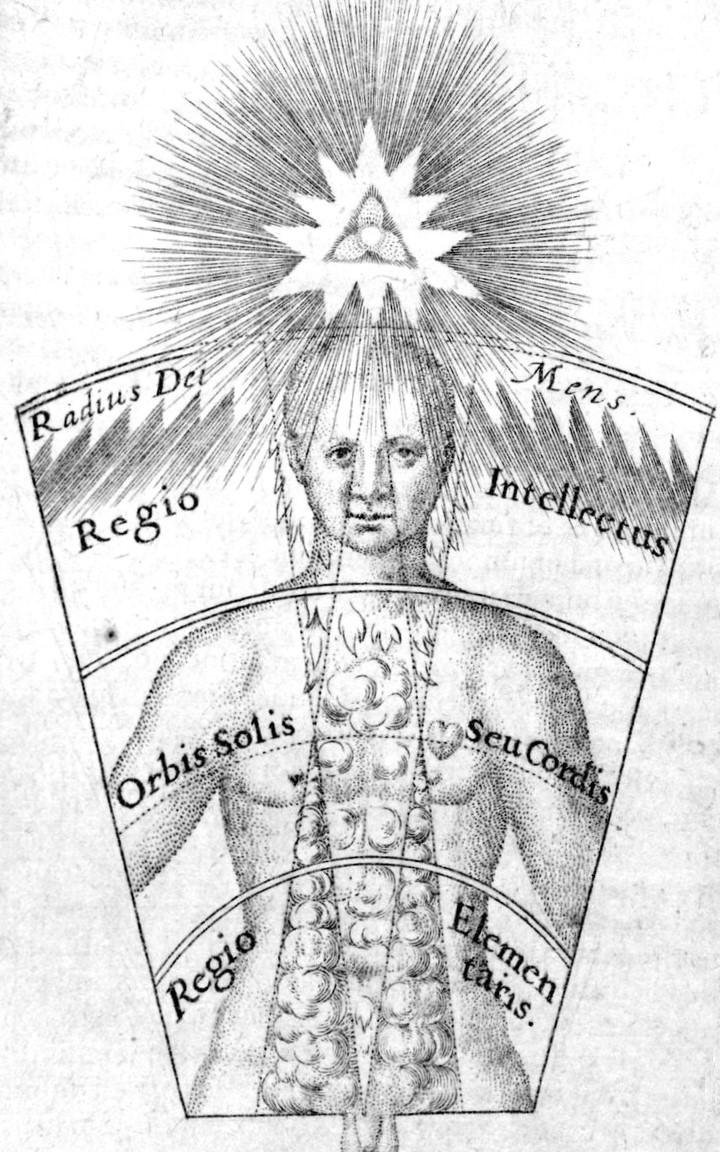
This part is belief, not proof. I believe God speaks to most of us not directly but in the language of life's circumstances: the people we meet, the doors that open and close, the timing of things. Prophets heard the voice. The rest of us get circumstances, and have to learn to read them. I think the stars may be one of those circumstances, a sentence written at the moment we arrived.
I don't know who first said that God speaks in circumstances. I have carried the idea for years and find it in many traditions. One of the oldest is Greek, and it is about the god of the most famous oracle in the ancient world.
The lord whose is the oracle at Delphoi neither utters nor hides his meaning, but shows it by a sign.Heraclitusfragment 93 (Burnet's fr. 11), translated by John Burnet
If that is true, a chart is not a verdict passed on you. It is one more line in a long conversation, and a reading is help with the grammar. It doesn't replace your own reading of your life. It sits beside it.
When don't you need a reading?
When you're in crisis or grief, when you want someone else to make a decision for you, when you want certainty, when you already have a good reading you haven't lived with yet, when what you need is a conversation, and when the money would hurt. In each case a chart is the wrong tool, or the wrong moment.
You're in crisis or grief. Go to people first: someone you trust, a doctor or therapist, a local support line. Astrology can wait. I'll still be here.
You want someone to decide for you. I won't tell you to leave or stay, take the job or quit it. A chart shows tendencies and timing. The decision is yours, and it should be.
The fault, dear Brutus, is not in our stars,William ShakespeareJulius Caesar, Act I, scene 2
But in ourselves, that we are underlings.
Cassius says this to talk Brutus into acting, and he is half right. The stars describe the weather of a life. What you do in it is yours.
You want certainty. No reading can give it. I don't predict death, illness or pregnancy. The old astrologers did; I think that was wrong, and hard on the person who heard it.
You already have a reading you haven't sat with. Read it again, slowly. Write down what you noticed. How to read your birth chart reading explains how.
You need a conversation. Talking things through is a therapist's work. Astrology happens in the background, in writing, and that difference matters.
The money would hurt. Then don't. Start with the free tools, or work out your profection year, the theme of your current year of life. Come back when it's easy.
So, do you need one? A two-minute check
Answer five questions honestly. If you say yes to at least three of the first four, and no to the last one, a reading will probably be worth it. If not, wait, read, or write to me first. A good astrologer should be willing to tell you that you don't need them (how to choose one).
- Is there a question I keep coming back to, about my direction, my work or a period of my life?
- Do I want to understand the timing: why now, and what comes next?
- Am I ready to read a long text slowly, more than once?
- Do I know my birth date and place, and roughly the time? (If not, start with finding your birth time.)
- Am I hoping someone will make the decision for me, or promise an outcome?
Valens described what the art gave the people who studied it. I think it is still the honest measure of a good reading.
They have trained their souls to be confident. They do not rejoice excessively at prosperity nor are they depressed by adversity, but they are satisfied with whatever happens.Vettius ValensAnthology V.6, translated by Mark Riley
Not sure? Write to me
Write to me on WhatsApp at +1 765 208 9598, or at roman@romanoleksandr.com. Tell me what's going on and what you've already tried. I'll tell you honestly where I would start, or that you don't need anything at all. Sometimes I say no, and I explain why. Practical questions about ordering, prices and delivery are answered in the FAQ.
Frequently asked questions
Which questions am I allowed to ask? Any question about your own life: who you are, your work, money, love, where you live, a hard year and what comes after it. I don't predict death, illness or pregnancy, and no chart can say whether a particular person will come back.
How much do you believe it, and why? Enough to have given my working life to it. I believe a chart is psychologically real, and I believe, as a matter of faith, that God speaks in circumstances and the sky may be one of them. I can't prove the second part, and no study has. I say so to every client.
What if nobody is sure of my birth time? An approximate time is fine for most readings. Where a few minutes would change the answer, I show both versions. If you don't know it at all, read finding your birth time; I can also rectify it from the dates of real events in your life.
Do you work the modern way or the old Hellenistic way? The old way, Hellenistic astrology. I read the chart with whole-sign houses, sect and the time-lord techniques of Valens, Dorotheus and Paulus, from the primary texts in translation. Where I use a modern idea, I say it's modern.
Is it only written? Yes, and on purpose. A reading is something you come back to when your life changes, and you read it differently each time. Astrology isn't a session with a psychologist. The written page lets you take it at your own pace.
Sun sign or rising sign? Both, and more. The Sun sign is one planet in one sign. The rising sign sets the twelve places of the chart, so it decides where everything else lands. A reading reads them together, with the timing.
Sources
- Wikipedia, "Enūma Anu Enlil" (dates; reports to the Assyrian kings, after H. Hunger, Astrological Reports to Assyrian Kings, SAA 8, 1992).
- Centre for the Study of Manuscript Cultures, Hamburg, "A substitute king to deflect divine wrath" (2024).
- F. Rochberg, Babylonian Horoscopes (1998), free online from NYU.
- A. Jones, "Astrologers and Their Astronomy" (2007), on the earliest Greek horoscopes.
- Suetonius, Life of Augustus 94.12, trans. J. C. Rolfe (Loeb); Tacitus, Annals 6.20–21.
- S. Heilen, "Zur Deutung und Datierung des 'Löwenhoroskops' auf dem Nemrud Dağı", Epigraphica Anatolica 38 (2005); S. Heilen, Hadriani genitura (2015).
- Lucian, Alexander the False Prophet 23 and Timon 6, trans. A. M. Harmon (Loeb); Apuleius, Metamorphoses 2.13.
- A. Winkler, "Stellar Scientists: The Egyptian Temple Astrologers", JANEH 8 (2021).
- Juvenal, Satire 6.548–591, trans. G. G. Ramsay (Loeb, 1918); dates from Encyclopaedia Britannica, "Juvenal".
- Vettius Valens, Anthology, trans. M. Riley.
- Ptolemy, Tetrabiblos I.2–3, trans. F. E. Robbins (Loeb, 1940).
- Plotinus, Enneads II.3.7, trans. S. MacKenna.
- The Urania Trust, "Johannes Kepler".
- C. G. Jung, letter to B. V. Raman, 6 September 1947, in Letters, vol. 1; Aion, Collected Works 9.ii, §126, trans. R. F. C. Hull.
- Plato, Republic X, 617e, trans. B. Jowett.
- W. Shakespeare, Julius Caesar I.2.
- Heraclitus, fragment 93 (Diels-Kranz), fr. 11 in J. Burnet, Early Greek Philosophy (3rd ed., 1920).
- The Emerald Tablet, trans. I. Newton (Keynes MS 28, King's College, Cambridge), via The Chymistry of Isaac Newton.
- S. Carlson, "A double-blind test of astrology", Nature 318 (1985), 419–425.
Roman